The Bridge Between Knowing and Becoming - Change and Growth for Executive Leaders
Updated: Feb 9
Executive coaching, patience, and the work of true change
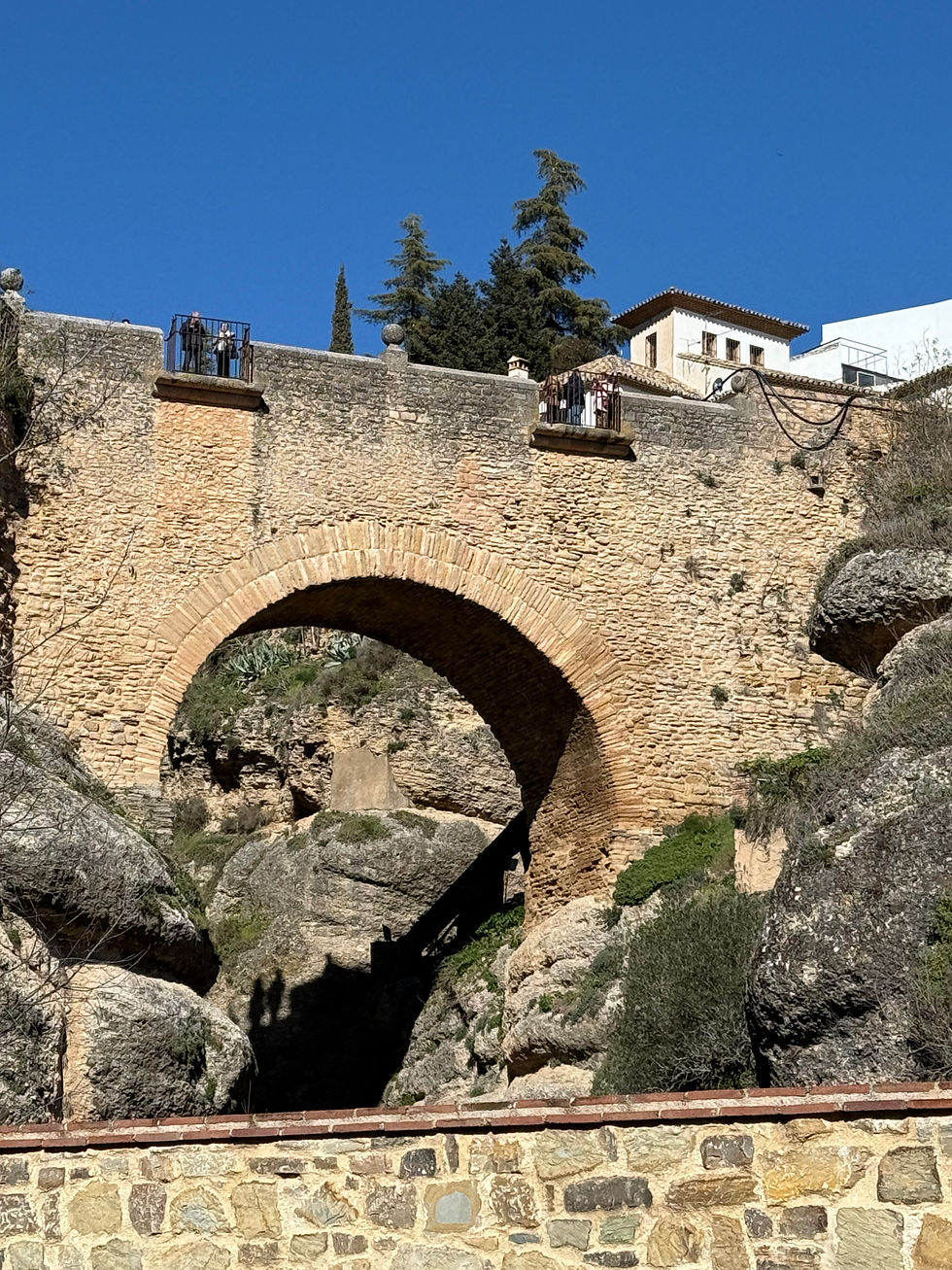
Ok, so I might be missing Spain.
I took this photo while living there, and every time I look at it, I feel something settle in my body. A bridge does that for me. It is simple, ancient, and quietly profound. It does not rush. It does not explain itself. It simply does its job, carrying people from one side to another, holding weight it never complains about, spanning places that would otherwise remain divided.
This bridge has become a metaphor for the work I do, and for the kind of change so many leaders say they want but often struggle to fully live.
We live in a culture that deeply values understanding. We read the book. We listen to the podcast. We attend the retreat. We learn the language. And somewhere along the way, many people unconsciously decide that knowing is enough. That insight alone should produce results. That clarity should automatically reorganize behavior, relationships, and inner life.
And then they are surprised when it does not.
The Stoics were not surprised by this at all.
What the Stoics Knew About Growth
The Stoics believed philosophy was not something you studied. It was something you practiced. Something you lived. Something that shaped who you became over time through repeated engagement with real life.
Epictetus warned his students not to confuse intellectual agreement with transformation. Marcus Aurelius wrote constantly about the gap between understanding and embodiment. Again and again, he reminded himself to stop talking about virtue and start practicing it.
They understood something we still forget.
Knowing opens the door. Living is what changes us.
Patience, then, is not passive waiting. It is the willingness to let character be shaped through lived experience rather than rushed by intellectual certainty.
This bridge captures that perfectly.
On one side of the bridge is understanding. Insight. Awareness. Language. The moment when something clicks, and we think, Yes. That is it.
On the other side of the bridge is becoming. Integration. A new way of being in the world. A new nervous system response. A different way of relating to power, conflict, intimacy, and uncertainty.
The bridge itself is patience. Practice. Time. Coaching. Real-life friction.
And beneath the bridge, in the shadows, is where the work often gets avoided.
The Shadows Under the Bridge
If you look closely at the image, you will notice the shadows beneath the arch. The cool, dark space under the bridge where light does not immediately reach. This is my favorite part of the metaphor because this is where real growth either happens or stalls.
In executive coaching, the shadows are not flaws. They are unintegrated parts of us that once served a purpose. Protective strategies. Survival adaptations. Old identities. Emotional responses that developed long before our current level of responsibility or awareness.
The shadows show up as things like:
Over-functioning and control masked as excellence
Conflict avoidance disguised as being collaborative
People pleasing is framed as empathy
Perfectionism is rewarded with high standards
Emotional distance justified as professionalism
Urgency is confused with importance
These patterns are not mistakes. They are intelligent responses to earlier environments. They helped someone succeed, belong, stay safe, or stay in control at a different stage of life.
But when a leader is moving to a new level, what once worked often becomes the very thing that limits them.
This is why insight alone is not enough.
You can understand that control is limiting you. You can name your people-pleasing tendencies. You can talk about vulnerability fluently.
And still react the same way under pressure.
Because those shadow parts live in the body, not just the mind.
Why True Change Takes Time
The Stoics understood that character is revealed under stress, not in theory. You do not know whether a belief has been integrated until life presses on it.
This is where many leaders feel discouraged.
They think something is wrong because they still react. Because old patterns resurface.
Because growth feels slower than expected.
In reality, this is exactly what growth looks like.
Integration requires repetition. It requires noticing the moment after the moment. It requires failing and returning with more awareness. It requires patience.
In coaching, we do not try to eliminate the shadows. We bring them into a relationship.
We slow things down enough to see what is actually happening when a leader is triggered, shuts down, becomes overly activated, or becomes disconnected. We look at the context. The internal story. The bodily response. The relational impact.
And then we do something subtle but powerful.
We help those shadow parts grow up.
Growing Up the Shadow
Growth is not about getting rid of parts of ourselves. It is about helping them mature.
The part of you that learned to control everything may need reassurance that you can tolerate uncertainty now. The part of you that avoids conflict may need support in learning that disagreement does not equal danger. The part of you that overworks may need help trusting rest without collapse.
This is developmental work, not motivational work.
It does not happen through affirmations or insight alone. It happens through lived experience that is reflected, contextualized, and integrated over time.
This is the role of a coach.
A coach does not rush you across the bridge. A coach does not push you out of the shadows prematurely. A coach walks with you, helping you make meaning of what you are living rather than what you think you should be living.
Executive Coaching as a Bridge
At senior levels of leadership, growth is less about acquiring new skills and more about reorganizing the self.
Many executives come to coaching not because they are failing, but because what made them successful no longer feels sufficient. They sense the next level requires a different way of being, not just better strategies.
This is where executive coaching becomes transformational rather than transactional.
We work with identity. With nervous system patterns. With how someone holds authority, power, responsibility, and self-trust.
We explore questions like:
Who are you becoming as your role expands
What parts of you are being asked to mature
What are you gripping that once kept you safe
What is emerging that needs patience rather than force
This is bridge work.
It requires honoring both sides. The competence and intelligence that got someone here, and the deeper integration required to move forward.
The Temptation to Skip the Bridge
Our culture rewards speed. Optimization. Quick wins. This makes it tempting to try to skip the bridge entirely.
Read the book. Adopt the language. Declare the intention.
And expect the results.
But bridges exist for a reason. They take time to cross because something is happening as you move across them.
Your nervous system is learning. Your relationships are adjusting. Your shadow parts are being invited into a new role.
This cannot be rushed without consequences.
The Stoics warned against this impatience. They understood that trying to force virtue or wisdom before it was embodied created brittleness, not strength.
True change is sturdy. Like this bridge. Built stone by stone. Tested by the weather. Standing long after its builders are gone.
Becoming Is the Point
On the other side of the bridge is not perfection. It is congruent.
A leader whose values show up under pressure.A human whose insight lives in their body.A person who can hold complexity without fragmentation.
This is what most executives actually long for, even if they call it performance, clarity, or impact.
They want to live what they know.
And that requires patience. Practice. Shadow work. Support.
It requires honoring the bridge.
Every time I look at this image, I am reminded that growth is not about arrival. It is about crossing. Again and again. With more awareness each time.
The Stoics knew this. Coaches know this. And somewhere deep down, you likely do too.
Knowing is the invitation. Living is the transformation. Becoming is the work.
And the bridge is where it all happens.